Independent Living vs. Assisted Living: Where Does Respite Care Fit in the Senior Care Spectrum?
Business Name: BeeHive Homes of Santa Fe NM
Address: 3838 Thomas Rd, Santa Fe, NM 87507
Phone: (505) 591-7021
BeeHive Homes of Santa Fe NM
BeeHive Homes of Santa Fe NM is a premier Santa Fe Assisted Living facilities and the perfect transition from an independent living facility or environment. Our Alzheimer care in Santa Fe, NM is designed to be smaller to create a more intimate atmosphere and to provide a family feel while our residents experience exceptional quality care. We promote memory care assisted living with caregivers who are here to help. Memory care assisted living is one of the most specialized types of senior living facilities you'll find. Dementia care assisted living in Santa Fe NM offers catered memory care services, attention and medication management, often in a secure dementia assisted living in Santa Fe or nursing home setting.
3838 Thomas Rd, Santa Fe, NM 87507
Business Hours
Families hardly ever awaken one morning and choose, calmly and with confidence, that it is time to move a parent into senior housing. Typically it comes after a slow build of worry: a fall that might have been even worse, medications that are getting blended, a partner who is plainly tired from caregiving, or a creeping fear that you are missing indication because you live throughout town or in another state.
In that fog of issue, various terms begin to blur together. Independent living. Assisted living. Respite care. Knowledgeable nursing. It can seem like alphabet soup at the specific minute you need clarity and calm, not jargon.
This is where a clear understanding of how independent living, assisted living, and respite care relate to each other can change the trajectory of decision making. Instead of responding to crisis, you can start to see senior care as a continuum, with choices that can be combined or sequenced to fit your family's reality.
I have invested years sitting at kitchen area tables and center meeting room with families who feel stuck between keeping a loved one in the house and "putting them in a home." The truth is less stark. Independent living and assisted living serve various needs, and respite care can be a flexible bridge in between them, or a security valve that protects both the older adult and the primary caregiver.
The senior care spectrum in plain language
Senior care is not a single service. It is closer to a spectrum that ranges from entirely independent living to extensive treatment. Where your loved one fits depends upon function, safety, support system, and choices, not on age alone.
Roughly speaking, it appears like this:
At one end are older adults residing in their own homes, possibly with some home care or assistance from household, however fundamentally handling their own lives. At the other end are nursing homes and long term care centers, where individuals get 24 hour medical and personal care because of serious disease or advanced disability.
Independent living and assisted living being in the middle. They are both forms of residential senior care, but they are developed on extremely different assumptions about what the resident can and can not do.
Respite care fits differently. It can be a short term stay inside an assisted living neighborhood, a couple of weeks of in home care, or a short-lived bed in an experienced nursing facility after a hospitalization. It is less a place and more a function: short-term relief, assistance, or screening ground.
Understanding those differences is the first step toward using each alternative wisely.

Independent living: way of life initially, care second
Independent living neighborhoods are developed for older adults who can manage their own individual care however desire the convenience, security, and social structure of a senior environment. I frequently describe them as apartment or condos or homes customized for older grownups, covered in hospitality services instead of health care.
Most independent living settings offer personal homes with kitchenettes or full kitchens, common dining-room, housekeeping, maintenance, set up transportation, and a calendar of social and wellness activities. Some feel like peaceful garden communities, others like cruise ships that never ever leave port.
Crucially, independent living presumes that locals can:
- Handle fundamental activities of daily living, like bathing, dressing, and toileting, without hands on help
- Manage their medications, whether by arranging pill boxes, utilizing reminder systems, or relying on family oversight
- Get to the dining-room, physician consultations, and activities by themselves or with very little informal assistance
If a neighborhood notifications that a resident is having a hard time, they might carefully raise interest in the household, however the legal and regulatory structure hardly ever enables them to step in with hands on care as an assisted living facility could. Some independent living neighborhoods do enable locals to bring in private responsibility caregivers, but that is a separate layer, not built into the core service.
Independent living works best for people who:
- Are mostly safe in your home but feel lonely, bored, or burdened by home tasks
- Have early physical constraints however no significant cognitive impairment
- Want to "ideal size" from a home that is too large or excessive work
- See the move as a way of life option instead of a medical necessity
Families sometimes overestimate the level of care readily available in independent living since the environment feels helpful. I have seen adult children presume that personnel will observe if Mom has not taken her high blood pressure medication for three days. In numerous neighborhoods, nobody is actually examining. The threats are subtle initially: missed out on meals, poor hydration, sluggish hygiene decline. In time, they can cause falls, hospitalizations, or an abrupt crisis that may have been preventable.
Assisted living: support with life, not a hospital
Assisted living is designed for older adults who are not safe living totally by themselves but do not need continuous experienced nursing care. It is the workhorse of contemporary elderly care: a blend of real estate, personal care, and often limited health associated services.
Physically, assisted living can look similar to independent living: private or semi private apartment or condos, communal dining, activities, housekeeping. The distinction lies behind the scenes. Assisted living facilities have caregiving personnel, often called resident assistants or licensed nursing assistants (CNAs), offered all the time. Licensed nurses are normally present or on call, depending on state regulations.
Typical assisted living services consist of aid with bathing, dressing, grooming, toileting, transfers, and medication administration or management. Personnel respond to call buttons, check in on residents, and collaborate with outdoors healthcare providers. Lots of communities can likewise manage persistent conditions like diabetes, some kinds of oxygen therapy, or moderate to moderate cognitive disability, though each center specifies its own limits.
Assisted living works best for people who:
- Need hands on help with at least some activities of day-to-day living
- Are at risk of falls, roaming, or medication mistakes at home
- Have family caregivers who are stressing out or can not provide 24 hr support
- Still gain from social engagement and a residential, non institutional environment
Families often see assisted living as a last option, however when chosen early enough, it can actually protect independence. I have actually seen homeowners grow more powerful and more confident once the constant fear of falling in the shower or forgetting insulin doses was eliminated. Instead of struggling alone, they might conserve their energy for the parts of life they still enjoyed.
That said, assisted living is not a small health center. Personnel can not legally perform certain medical jobs outside their license, and they are not equipped to manage highly complex cases, ventilators, or serious behavioral signs without outdoors assistance. The line in between assisted living and nursing home level care is partially medical and partially regulative, and it differs by state.
Cost and payment realities
The monetary aspect often shapes what is possible, often more than anyone likes to confess. Both independent living and assisted living are mostly personal pay in the United States. They may look comparable on a sales brochure, however how the cash works can be really different.
Independent living is normally structured like rent plus services. Locals pay a monthly fee that covers the house, some or all meals, housekeeping, and facilities. Because there is no bundled individual care, the base cost is frequently lower than assisted living for the very same square footage. If a resident generates private caretakers, those services are paid independently, normally by the hour, and can add up quickly.
Assisted living charges consist of the home and a specified level of care. Some communities provide tiered pricing based upon just how much assistance the resident requirements, such as "Level 1" for light help and "Level 4" for extensive assistance. Others use a point system or all inclusive rates. Month-to-month costs can increase if the resident's care needs grow, which can shock households who anticipated a stable bill.
Health insurance coverage and Medicare cover medical care, however they generally do not spend for room, board, or long term custodial care in assisted living. Long term care insurance coverage can assist if they remain in location and the benefit triggers are satisfied, but the arrangements are extremely variable. Some states supply minimal Medicaid coverage for assisted living, yet waiting lists and eligibility guidelines are common.
Respite care interacts with these expenses in important ways, especially as a way to "evaluate drive" a community without devoting to a long term contract, or to purchase time while figuring out finances or benefits.
Where respite care fits: a versatile safety net
Respite care is short-lived care for an older adult who usually lives in the house or in a less supported setting, so that the main caretaker can rest, take a trip, recuperate from disease, or address other obligations. It can last anywhere from a couple of hours a week to a number of weeks at a time.
Respite care can be provided in a number of types:
- In home respite, where a paid caregiver comes into the home to provide hands on assistance and supervision.
- Adult day programs, where the older adult invests part of the day in a structured environment with activities, meals, and staff oversight, then returns home in the evening.
- Short term stays in assisted living or knowledgeable nursing, where the individual lives on website for a set duration with access to the same services as irreversible residents.
Each variation plays a various role, however all share the exact same objective: to avoid caregiver burnout and minimize the threat of crisis by assisted living BeeHive Homes of Santa Fe NM planning breaks rather than waiting on collapse.
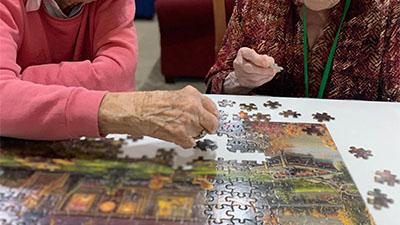
In the context of independent and assisted living, respite care frequently serves three crucial functions.
First, it offers trial runs. A brief remain in an assisted living facility can show whether a person who insists they are "fine at home" really loves structured assistance. I have seen proud, independent parents who battled the concept of "moving" consent to a 2 week respite stay while their child had surgery. By the end, they had made friends at lunch, delighted in having somebody else manage medications, and chose to stay completely on their own terms.
Second, it offers pressure relief for family caretakers trying to sustain someone at home. A kid might be doing whatever right for his mother in independent living, checking out daily, handling her medications, and arranging outside caregivers. A prepared three week respite stay in assisted living while he travels for work safeguards both of them from the all too typical pattern of eleventh hour, crisis driven placement.
Third, respite care covers shifts, especially after hospitalizations or rehab stays. An individual who lived separately before a fall may not be safe to return straight to their old arrangement, however might also not require a long-term assisted living move. A month of respite in assisted living enables time to see what their new baseline actually is, without dedicating to a long term lease.
Independent vs assisted living: useful differences that matter
On paper, the differences between independent living and assisted living are clear. In truth, families often deal with gray zones. A parent might be mostly independent however gradually dropping weight. Or they might "handle" medications but only because a partner continuously reminds them. These borderline circumstances expose the useful spaces between the 2 models.
A few styles show up consistently in real cases.
Supervision versus care. Independent living personnel keep an eye on the neighborhood environment, but they are not responsible for private locals' health in the same method assisted living staff are. If someone does disappoint up for dinner for three nights, independent living might eventually knock, but assisted living will likely observe and investigate much sooner, often within hours.
Timing of assistance. In assisted living, pressing the call button activates a staff response. In independent living, there is frequently no expectation of immediate in room assistance. Residents who fall in their homes may wait much longer to be discovered unless they have extra tools like emergency situation pendants, motion sensing units, or day-to-day check in calls.
Medication management. This is typically the turning point. Once an older adult can no longer securely self manage medications, a simply independent setting becomes dangerous. Assisted living can officially take over, recording administration, tracking refusals, and collaborating with doctors. Attempting to duplicate that in independent living through family oversight works just as long as the caretaker can dependably visit or monitor.
Progression of illness. Chronic conditions like Parkinson's disease, congestive heart failure, or early dementia can be reasonably well supported in independent living in the beginning. Over time, the cognitive or physical needs on the resident increase. If the community does not have integrated in support, the family should function as the buffer. Ultimately, numerous households reach a tipping point where the patchwork of assistants and family visits ends up being more complex and costly than an assisted living move.
Respite care can be used tactically around these tipping points. A short assisted living stay for "healing" after a fall can reveal covert care needs that were masked in the house or in independent living. Possibly staff notice that the resident needs moderate help with toileting in the evening, something the spouse or adult kid never ever totally admitted. That information can form whether the next action is more home assistance, a long-term relocation, or another type of senior care.
Using respite care to make much better long term decisions
Families who use respite care attentively tend to make more positive, less reactive choices. The secret is to deal with respite not just as short-term relief, but as information gathering.
A brief assisted living respite stay can answer several practical concerns:

- How does the person respond to personnel support with bathing, dressing, or medications?
- Do they sign up with activities and meals, or retreat to their room?
- Are there behavioral or cognitive issues that emerge more plainly in a structured setting?
- Do regular nighttime needs emerge that would be challenging to handle at home?
A genuine example: an 84 years of age woman, living in independent living, physically capable but extremely isolated, accepted a thirty days respite in assisted living after a hospitalization for dehydration. Her daughter made sure this was simply a bridge back to self-reliance. During respite, personnel discovered noticable short-term memory loss, medication confusion, and anxiety when regimens altered. Her daughter had actually dismissed these as "just aging," but in assisted living the patterns were obvious. Since this appeared during a planned respite instead of a crisis, they might go over options calmly. The woman selected to stay in assisted living, framing it as "graduating to more help," rather than feeling forced.
Respite can also offer caretakers a practical view of their own limits. I have actually seen deeply dedicated partners who insist they "can handle" whatever at home, just to understand, during a two week respite stay, how tired they really were. They sleep through the night for the very first time in months, notice pains they had neglected, or lastly schedule their own past due medical consultations. That lived contrast frequently moves the conversation from "I am failing if I can refrain from doing all of it" to "We require a sustainable plan."
Questions households need to ask before choosing a level of care
Families in some cases feel forced to decide rapidly. Taking even a short time out to ask the right questions can prevent bad moves. When weighing independent living, assisted living, and the use of respite care, it assists to begin with a blunt, truth based self assessment.
Consider this brief list as you assess options:
- Is my loved one safe alone for extended periods, including in the evening, without instant assistance nearby?
- Can they regularly handle all medications, meals, and hygiene without tips or hands on assistance?
- What specific tasks am I (or other family members) doing for them now, and how sustainable is that over the next year?
- How would things alter if I got ill, required to take a trip, or could not exist as often?
- Have we attempted or a minimum of discussed a trial respite stay to understand how they function with more structured support?
The answers often reveal whether the existing setup is hardly holding together or genuinely practical. If self-reliance depends on one overwhelmed caregiver and fragile regimens, respite care is not a luxury. It is an early intervention.
Coordinating respite within different settings
Where and how you arrange respite depends heavily on where your loved one lives today.
For someone already in independent living, respite might include a short-term relocate to an assisted living home within the same school, if available, or to a neighboring center. Some larger senior living campuses have both independent and assisted living under one umbrella, with basic rates for respite stays. Others partner with local assisted living or competent nursing facilities.
For somebody living alone in a personal home, respite might indicate generating in home caregivers part-time or full time for a set period, enrolling in an adult day program, or arranging a short-lived assisted living stay. Adult day programs are particularly underused. A few days weekly in a structured setting can give caregivers daytime relief and likewise provide early warning signs of decrease. Personnel notification who is quietly withdrawing, who is struggling with fundamental tasks, and who might benefit from more comprehensive senior care.
If the individual currently lives in assisted living, respite might be required for the caregiver more than for the resident. Adult children often move a parent closer, help them settle, then realize they need to go back temporarily. An organized week where the neighborhood understands the daughter is purposefully not visiting can evaluate whether the care plan is really sufficient without her consistent presence.
Payment for respite care is patchy. Some long term care insurance policies cover it as much as a maximum number of days per year. Particular government programs, specifically for veterans or people with specific medical diagnoses, might fund minimal respite hours. More often, families pay privately every day or week. While that can feel pricey, it is often less expensive than the downstream expenses of caretaker collapse: lost tasks, health issue, or rushed long term placement in the wrong setting.
Emotional resistance and how respite can soften it
The hardest part of all of this is hardly ever the paperwork or logistics. It is the psychological weight behind words like "care," "center," and "help." Lots of older adults hear "assisted living" and photo old design nursing homes. Numerous caretakers hear "respite" and feel guilty at the very idea of a break.
I have found out not to argue straight with those feelings. Instead, I frame respite and assisted living as tools to protect autonomy and relationships.
For fiercely independent elders, a short, plainly time minimal respite stay frequently feels more acceptable than an open ended relocation. They can consent to "try it while I recover from this fall" or "provide you a break given that you have your own surgery coming up." Once on website, they experience the everyday truth instead of their fears. Sometimes they pick to stay. In some cases they do not, but both outcomes are based on lived experience, not imagined scary stories.
For caregivers drowning in obligation, calling respite as a health intervention can assist. Fatigue, chronic sleep loss, and unmanaged tension are threat aspects for serious disease. Securing the caretaker's health is part of responsible elderly care, not a self-centered indulgence. An organized respite block can be arranged on the calendar, like any other medical consultation, to move it out of the realm of unclear intent into concrete plan.
The other emotional piece is timing. Moves made in the middle of crisis tend to feel terrible. Moves that occur after one or more respite stays normally go more smoothly. The surroundings are familiar. Personnel are not strangers. Routines have currently been tested and tweaked.
Bringing it together: using each option in the right way
Independent living, assisted living, and respite care are not rivals. Each addresses a specific piece of need, and the most resilient care strategies often weave them together over time.
Someone may start in their own home with a few hours of in home respite care every week. As the caretaker's concern grows, they may include an adult day program, then transition to independent living for social assistance and minimized household demands. A bad fall might trigger a month of respite in assisted living, exposing formerly concealed care needs. That trial might cause an irreversible assisted living residency, with routine respite intervals built in for family members who remain deeply involved.
Another individual may move directly from home to assisted living after a stroke, utilizing respite coverage from their long term care policy to fund the first 30 days while documents captures up. Later, as they stabilize, they may move to a lower care level within the exact same school or move closer to a different relative, again utilizing a short respite stay as a soft landing.
The common thread is versatility. Rather of locking into a single label like "independent" or "assisted," families who think in regards to a spectrum can change as conditions change. Respite care acts as the shock absorber because system, taking pressure off at crucial minutes, revealing real requirements, and permitting changes before small issues end up being emergencies.
Senior care is seldom neat. Conditions advance unevenly. Family scenarios alter. Facilities progress. The objective is not to pick the ideal choice when, however to develop a path that can flex without breaking. Understanding how independent living, assisted living, and respite care relate gives you more space to maneuver, and more ways to safeguard both the older adult's dignity and the caretaker's well being over the long run.
BeeHive Homes of Santa Fe NM provides assisted living care
BeeHive Homes of Santa Fe NM provides memory care services
BeeHive Homes of Santa Fe NM provides respite care services
BeeHive Homes of Santa Fe NM supports assistance with bathing and grooming
BeeHive Homes of Santa Fe NM offers private bedrooms with private bathrooms
BeeHive Homes of Santa Fe NM provides medication monitoring and documentation
BeeHive Homes of Santa Fe NM serves dietitian-approved meals
BeeHive Homes of Santa Fe NM provides housekeeping services
BeeHive Homes of Santa Fe NM provides laundry services
BeeHive Homes of Santa Fe NM offers community dining and social engagement activities
BeeHive Homes of Santa Fe NM features life enrichment activities
BeeHive Homes of Santa Fe NM supports personal care assistance during meals and daily routines
BeeHive Homes of Santa Fe NM promotes frequent physical and mental exercise opportunities
BeeHive Homes of Santa Fe NM provides a home-like residential environment
BeeHive Homes of Santa Fe NM creates customized care plans as residents’ needs change
BeeHive Homes of Santa Fe NM assesses individual resident care needs
BeeHive Homes of Santa Fe NM accepts private pay and long-term care insurance
BeeHive Homes of Santa Fe NM assists qualified veterans with Aid and Attendance benefits
BeeHive Homes of Santa Fe NM encourages meaningful resident-to-staff relationships
BeeHive Homes of Santa Fe NM delivers compassionate, attentive senior care focused on dignity and comfort
BeeHive Homes of Santa Fe NM has a phone number of (505) 591-7021
BeeHive Homes of Santa Fe NM has an address of 3838 Thomas Rd, Santa Fe, NM 87507
BeeHive Homes of Santa Fe NM has a website https://beehivehomes.com/locations/santa-fe/
BeeHive Homes of Santa Fe NM has Google Maps listing https://maps.app.goo.gl/fzApm6ojmRryQMu76
BeeHive Homes of Santa Fe NM has Facebook page https://www.facebook.com/BeeHiveSantaFe
BeeHive Homes of Santa Fe NM has a YouTube channel at https://www.youtube.com/@WelcomeHomeBeeHiveHomes
BeeHive Homes of Santa Fe NM won Top Assisted Living Homes 2025
BeeHive Homes of Santa Fe NM earned Best Customer Service Award 2024
BeeHive Homes of Santa Fe NM placed 1st for Senior Living Communities 2025
People Also Ask about BeeHive Homes of Santa Fe NM
What is BeeHive Homes of Santa Fe NM Living monthly room rate?
The rate depends on the level of care that is needed. We do a pre-admission evaluation for each resident to determine the level of care needed. The monthly rate is based on this evaluation. There are no hidden costs or fees
Can residents stay in BeeHive Homes of Santa Fe NM until the end of their life?
Usually yes. There are exceptions, such as when there are safety issues with the resident, or they need 24 hour skilled nursing services
Does BeeHive Homes of Santa Fe NM have a nurse on staff?
No, but each BeeHive Home has a consulting Nurse available 24 – 7. if nursing services are needed, a doctor can order home health to come into the home
What are BeeHive Homes of Santa Fe NM visiting hours?
Visiting hours are adjusted to accommodate the families and the resident’s needs… just not too early or too late
Do we have couple’s rooms available?
Yes, each home has rooms designed to accommodate couples. Please ask about the availability of these rooms
Where is BeeHive Homes of Santa Fe NM located?
BeeHive Homes of Santa Fe NM is conveniently located at 3838 Thomas Rd, Santa Fe, NM 87507. You can easily find directions on Google Maps or call at (505) 591-7021 Monday through Sunday 9:00am to 5:00pm
How can I contact BeeHive Homes of Santa Fe NM?
You can contact BeeHive Homes of Santa Fe NM by phone at: (505) 591-7021, visit their website at https://beehivehomes.com/locations/santa-fe, or connect on social media via Facebook or YouTube
La Choza Restaurant offers classic New Mexican comfort food that makes dining enjoyable for residents in assisted living, memory care, senior care, elderly care, and respite care outings.